


Sacra Infermeria, La Valletta
27 October 2025


Villa Bologna, Attard
27 October 2025


Cocattedrale di San Giovanni, La Valletta
26 October 2025


This year's choice of Malta as the location for our annual meeting, after Tbilisi and Prague, continues and broadens the path through those small European nations that have succeeded in preserving their traditions and cultural specificities throughout the centuries, without falling into the cult of nationalism, and trying not to surrender to the overwhelming standardisation that aims to nullify all diversity.
But why Malta exactly?
The idea dates back a few years, to a trip I made to the tiny island of Comino, between the islands of Gozo and Malta. A place that is almost uninhabited in winter but comes alive in summer.
The island is home to a veritable nature reserve known as the blue lagoon, because, as you might expect, the little bay is characterised by clear, deep blue water, populated by a rich marine fauna. With a view to preserving it, the channel has been closed off to boats.
In that almost Caribbean paradise, I learned that the small island had given refuge, in 1200, to Abulafia, an important scholar of Jewish mysticism (Kabbalah). This story brought me back to one of my first literary heroes, Corto Maltese, who, having been born in Malta, is said to have studied Kabbalah on the island before embarking as a sailor and beginning his adventures immortalised in Hugo Pratt's comic strips.
Speaking of adventures, “The Maltese Falcon”, a famous detective novel by Dashiell Hammett, on which a splendid film starring a superlative Humphrey Bogart and centred on a mysterious statuette of Maltese origin was based, also comes to mind.
Malta captivates the imagination with its scenic appearance as a small, rocky and windy archipelago with a population of just 600,000 souls, but with a history stretching back thousands of years. A crossroads of various civilisations, a place where the Latin, Christian, Arab and Anglo-Saxon worlds met. Particularly noteworthy are the megalithic temples on both Gozo and Malta, which are among Europe's oldest monuments. And it is impossible not to highlight the link with the Knights of Malta, heirs to the ancient Order of the Hospitallers of Jerusalem, which continues to be an organisation active mainly in health care today.
Everything in Valletta speaks of them. Starting with the beautiful Co-Cathedral of St. John the Baptist, with its sober façade that reveals nothing of the splendour of the Baroque interior, featuring a large vault frescoed by Mattia Preti, and the chapels, side naves and crypts that house the monuments and tombstones of hundreds of Knights of the Order. The Co-Cathedral houses two masterpieces painted by Caravaggio toward the end of his life, the “Beheading of St. John” and the smaller “St. Jerome Writing”. Caravaggio, who went to Malta seeking refuge, achieved a prestigious position there, only to be forced to flee due to an unclear criminal matter. The Grand Master's Palace, another important and significant site, occupies an entire block and is home to the Armoury, where the armour worn by the Knights is preserved. Sites of historical excellence include Other outstanding historical sites include Fort St. Angelo, which continues to serve in part as a residence for some of the Knights, and the auberges, buildings that housed the Knights of the various Langues, now converted into museums and government buildings..
If the imposing city walls, which are visible from the sea, and the Upper Barraka Gardens, adorned with statues and memorials dedicated to important historical figures, are the best vantage point from which to admire the Three Cities, the Port and the entire archipelago, the smaller towns of Mdina, known as the Old Town or the “silent city”, Rabat with its churches and St Paul's catacombs, and Attard with its sumptuous gardens and citrus groves, villas and historical buildings, including the presidential palace, are also beautiful and interesting to visit. Malta is also famous for its all-male musical bands, organised into clubs (każini) that bring together the island's musical history and traditions, playing an active role in religious festivals, weddings and other celebrations. Many of these clubs are historic and have a strong local identity; people go there to play cards and billiards, meet up and enjoy socialising.
At various times in its history, Malta was ruled by the Kingdom of Naples and later by the Kingdom of the Two Sicilies. This influenced Maltese culture, with broad implications in terms of architecture and religion. Italian was also an official language in Malta until 1934, and cultural exchanges kept relations alive and operational even before the Unification of Italy. All the more reason to get to know places of great historical and artistic interest, along with cultural, political and religious situations that have acted as bridges between the different cultures of the Mediterranean, in an exchange that has remained respectful of diversity and always open to exchange and knowledge.
Generoso di Meo


Napoli - Tbilisi: La Sirena e la Pantera
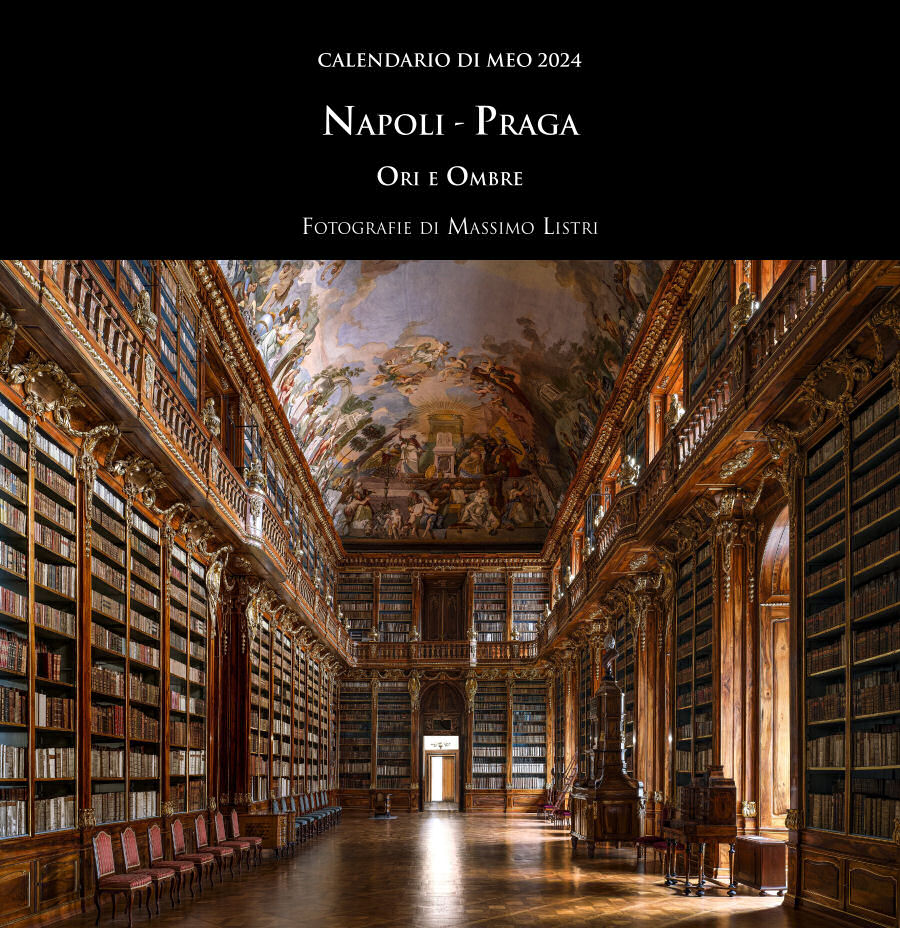
Napoli - Praga: Ori e Ombre
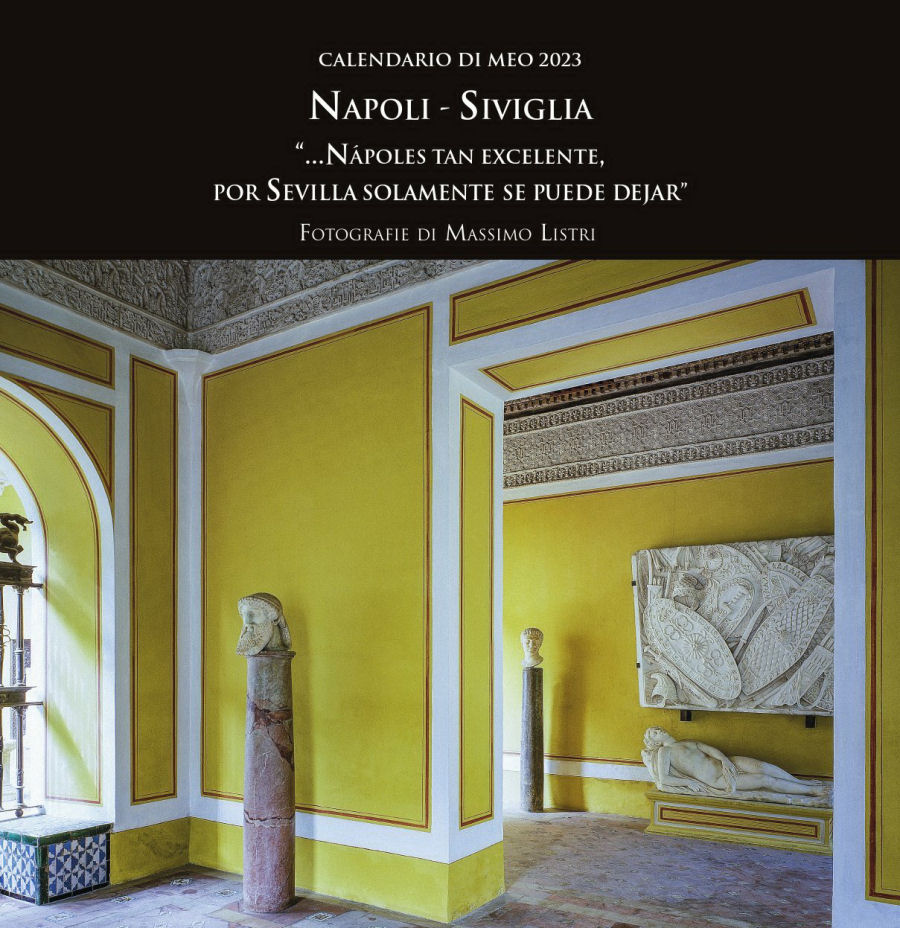
Napoli - Siviglia: ...Nápoles tan excelente,
por Sevilla solamente se puede dejar
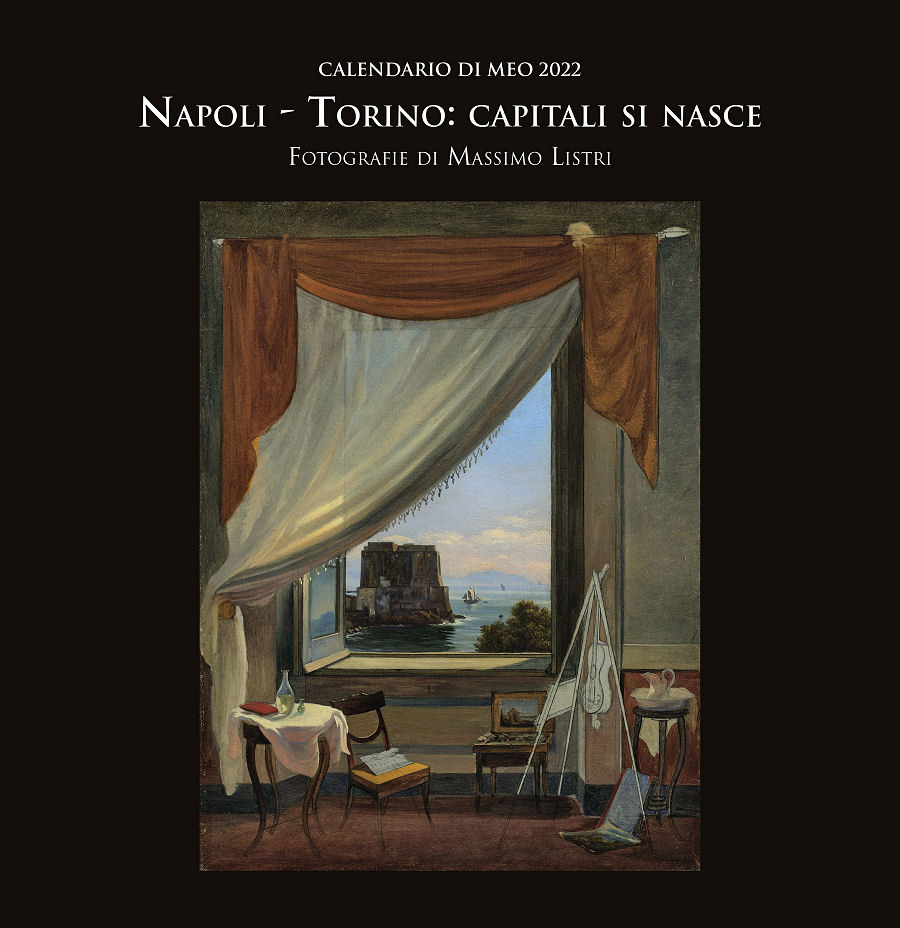
Napoli - Torino: capitali si nasce
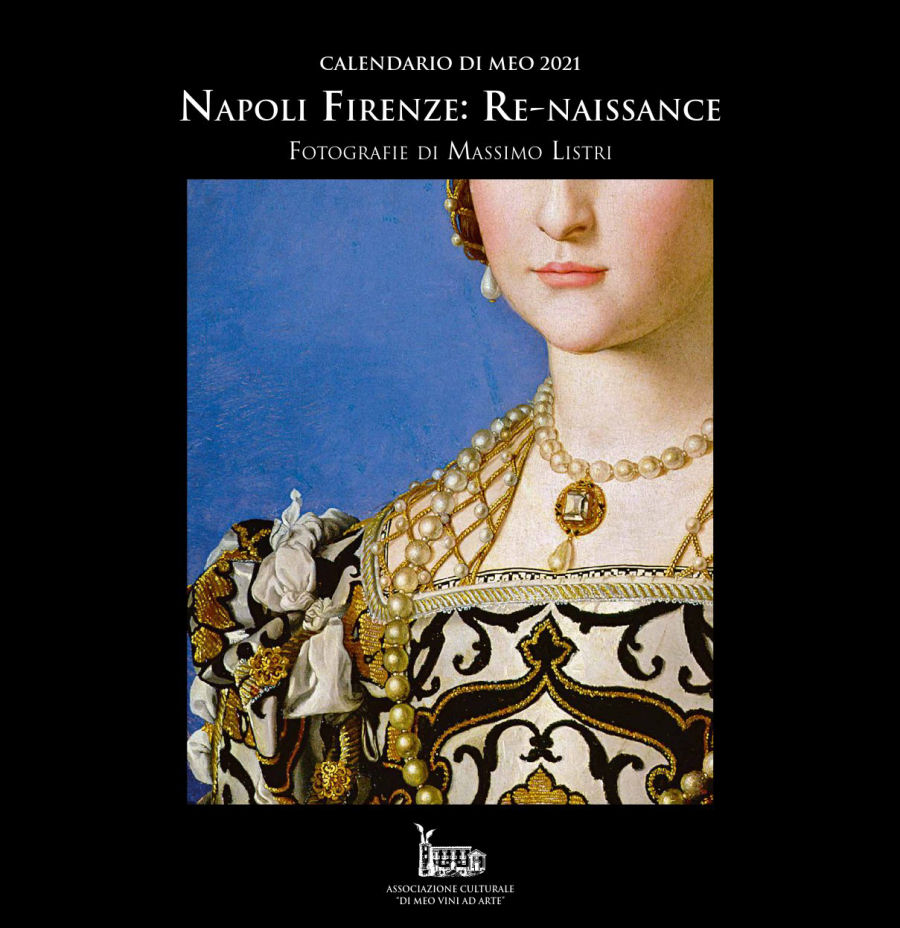
Napoli Firenze: Re-naissence
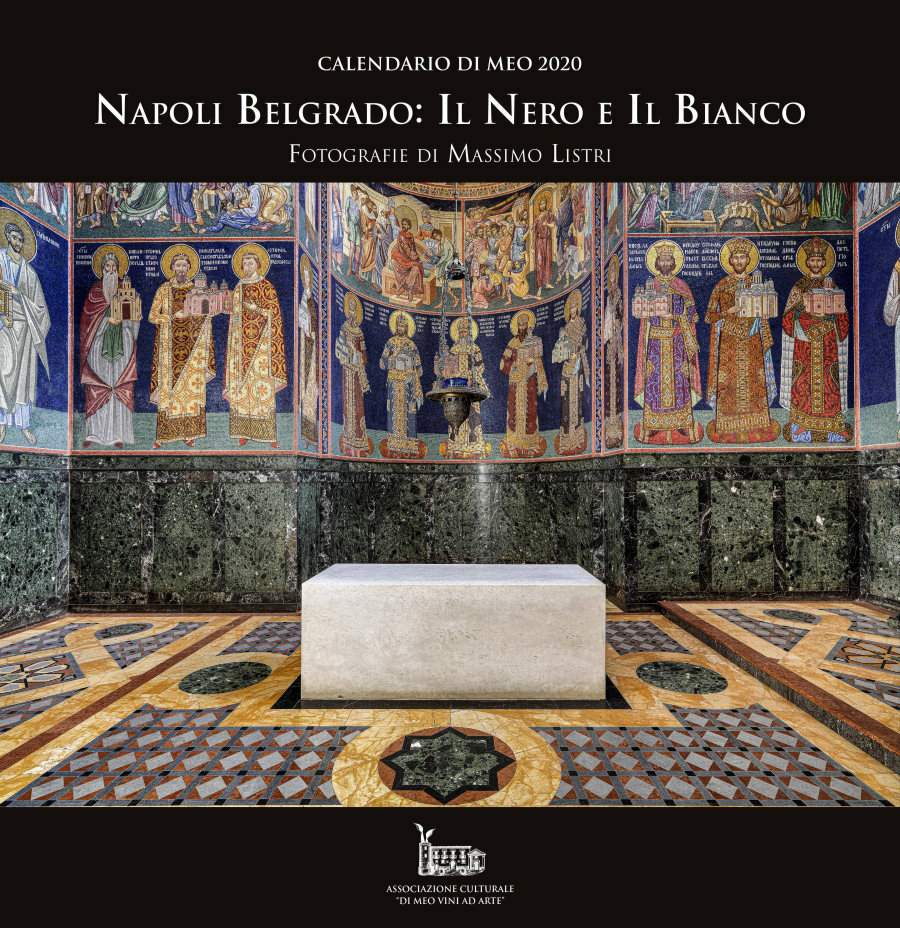
Napoli Belgrado: Il Nero e il Bianco
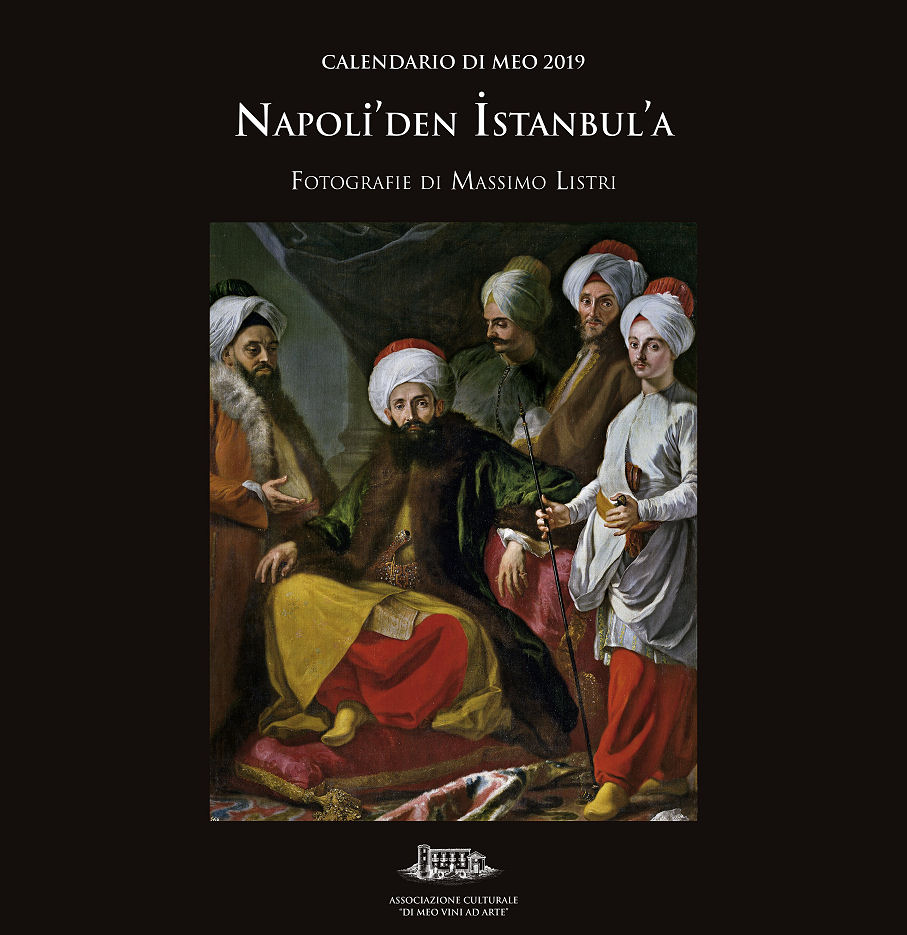
Napoli'den İstanbul'a
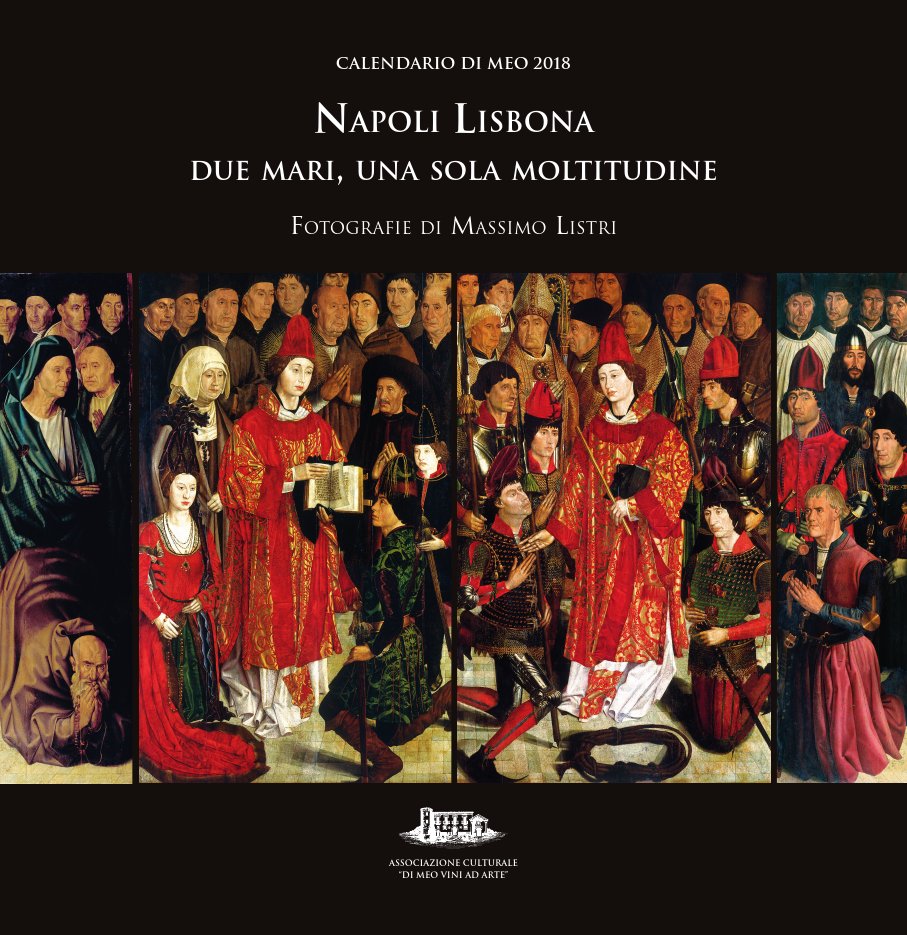
Napoli Lisbona
Due mari, una sola moltitudine
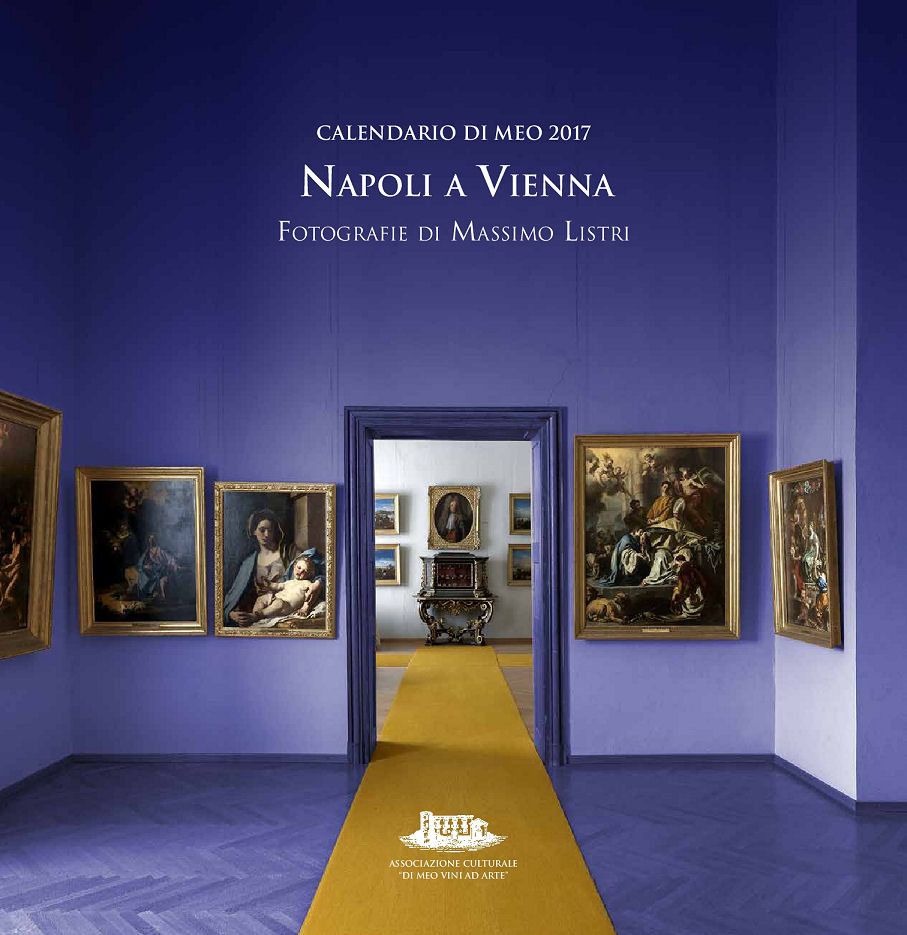
Napoli a Vienna
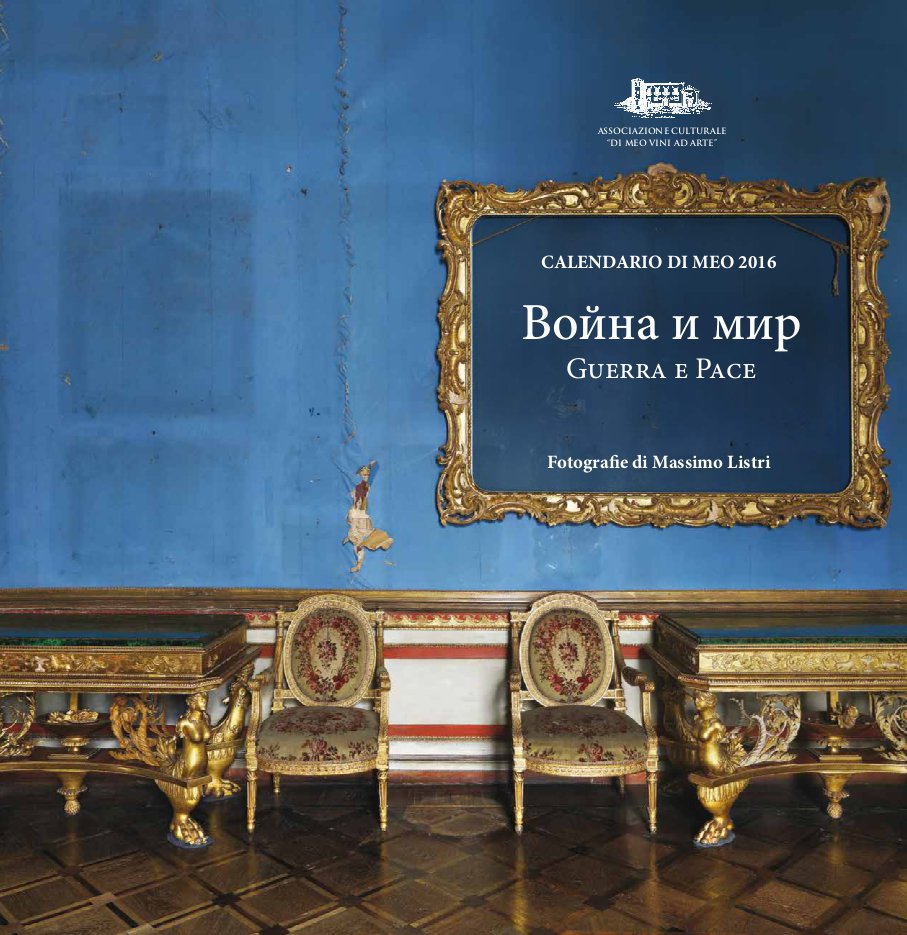
Guerra e Pace
Massimo Listri inside Moscow
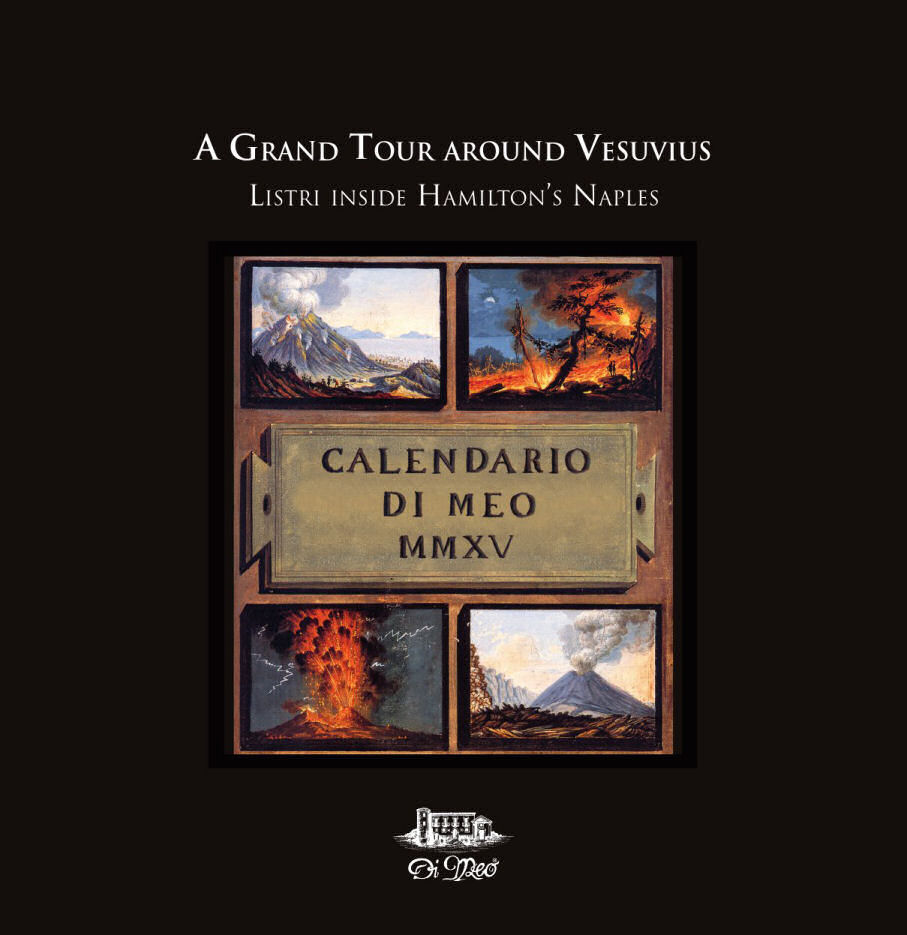
A Grand Tour around Vesuvius
Listri inside Hamilton's Naples
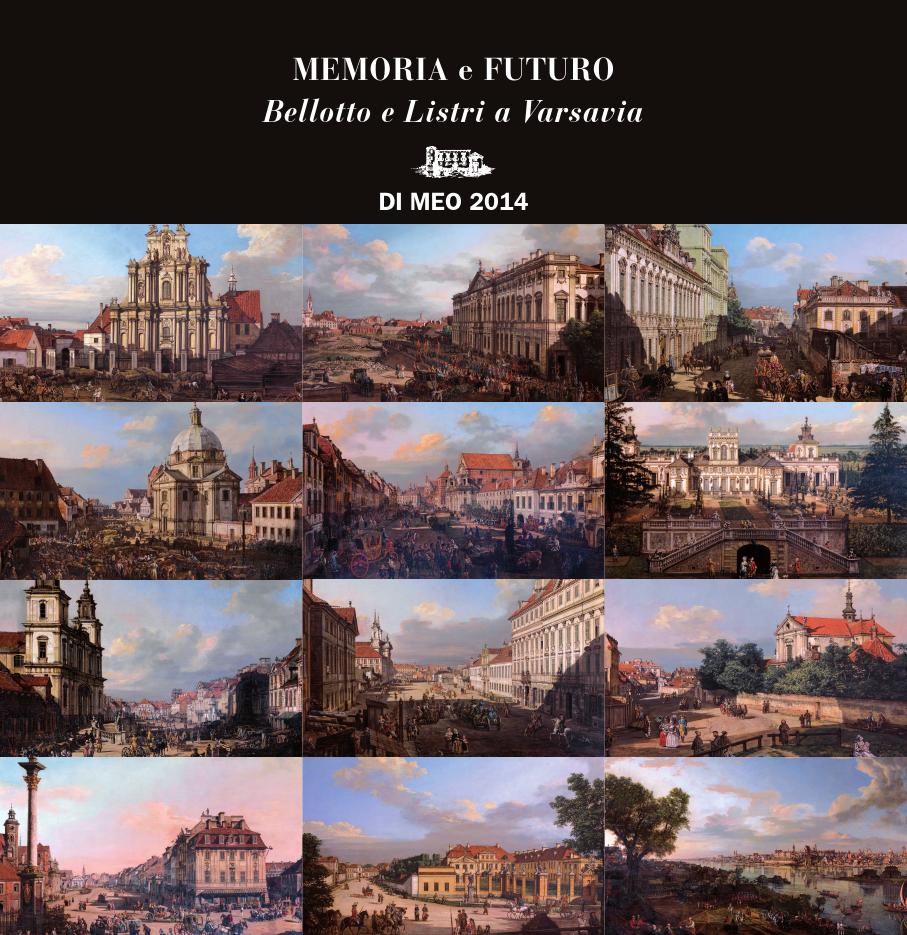
MEMORIA e FUTURO
Bellotto e Listri a Varsavia
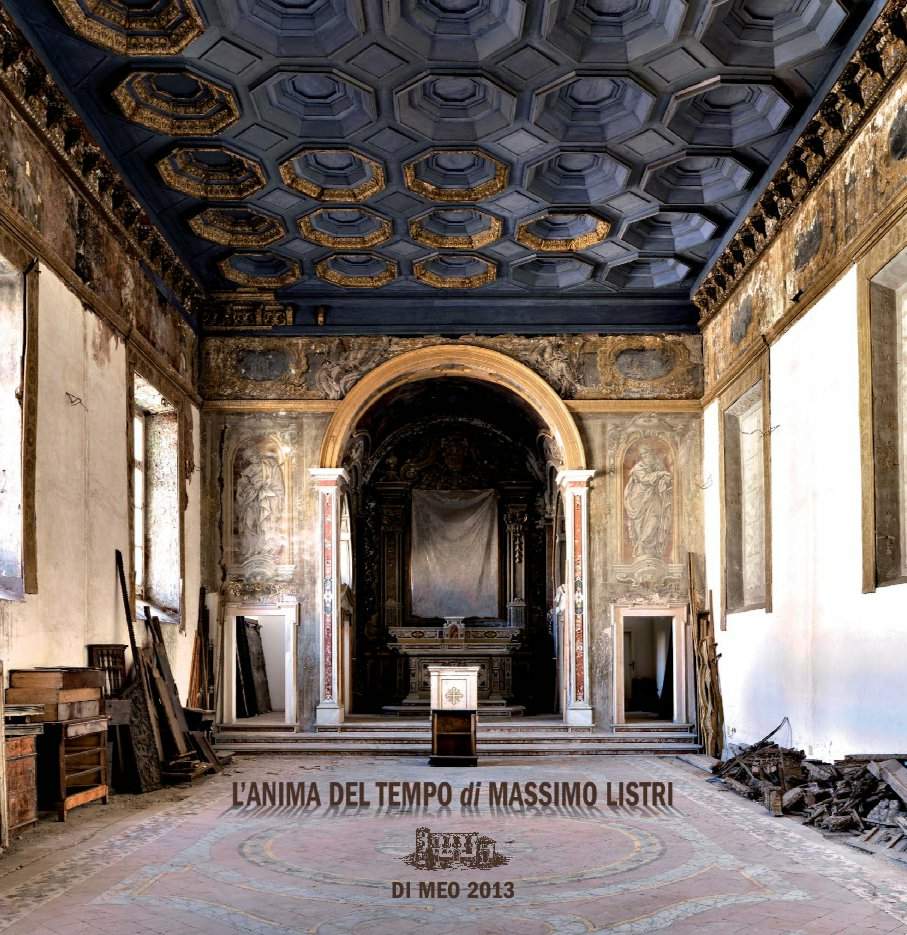
L'anima del tempo di Massimo Listri
Chiese napoletane: rovina e recuperi
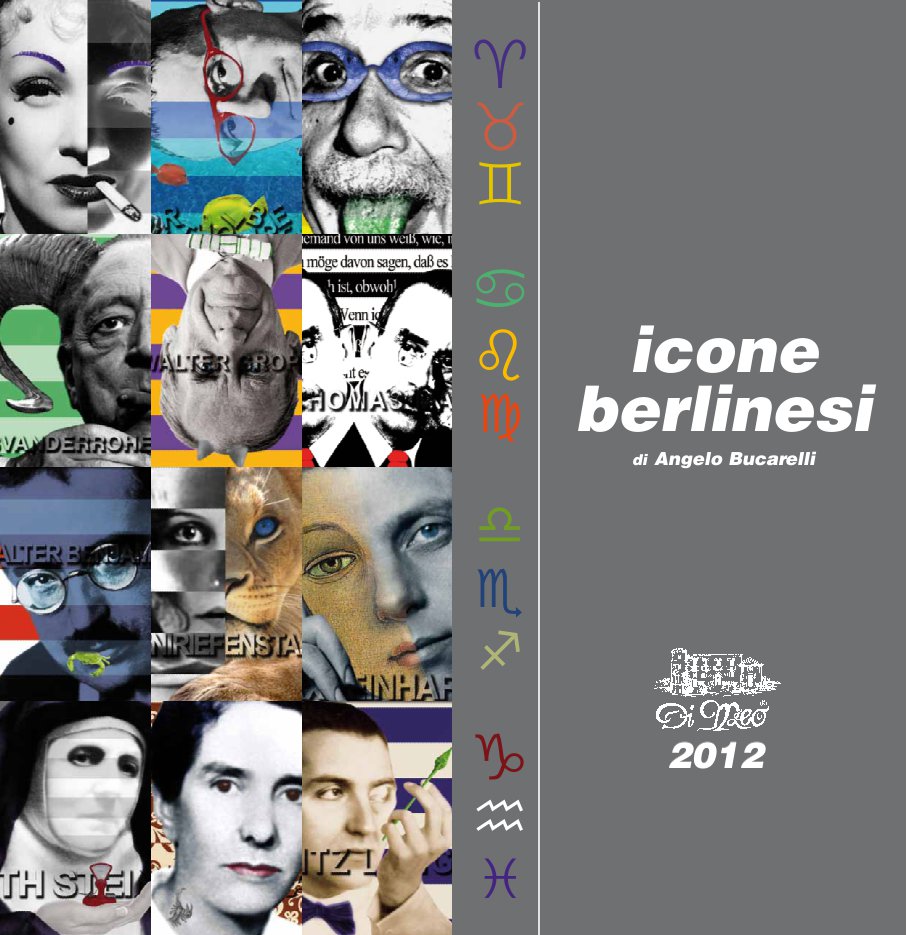
icone berlinesi
di Angelo Bucarelli
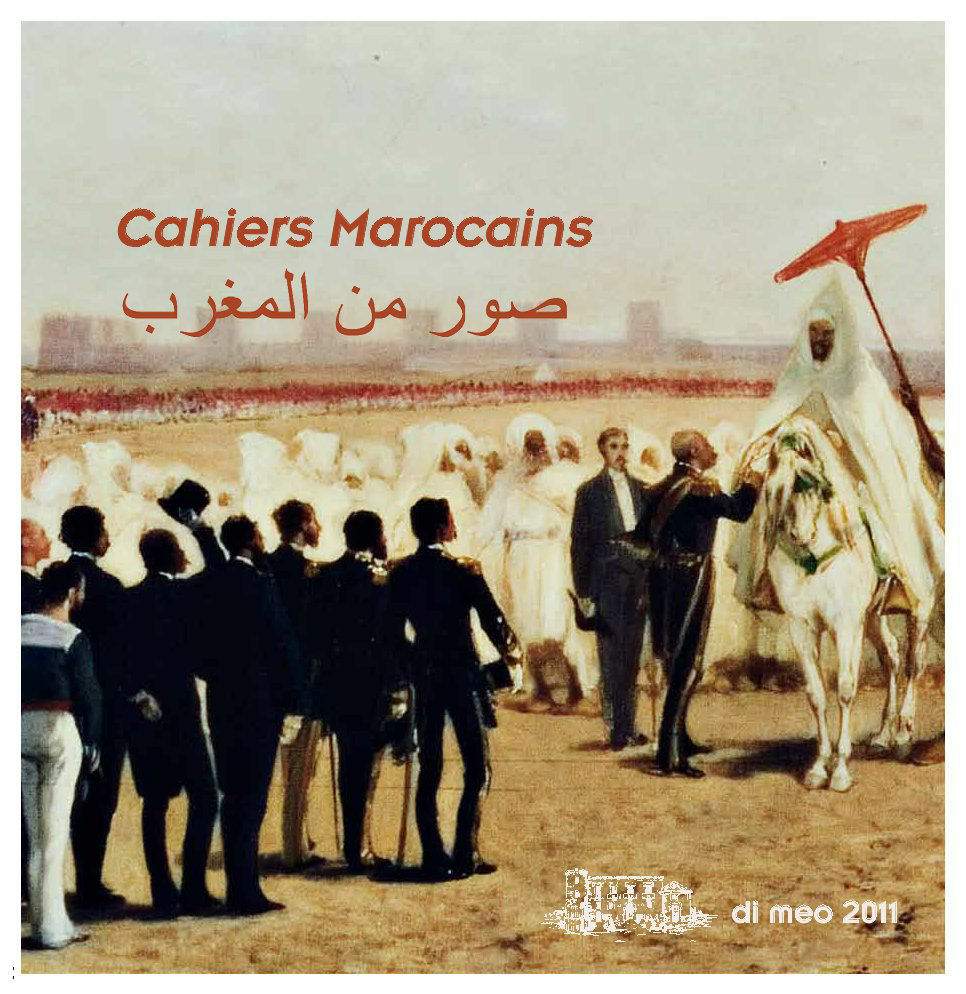
Cahiers Marocains
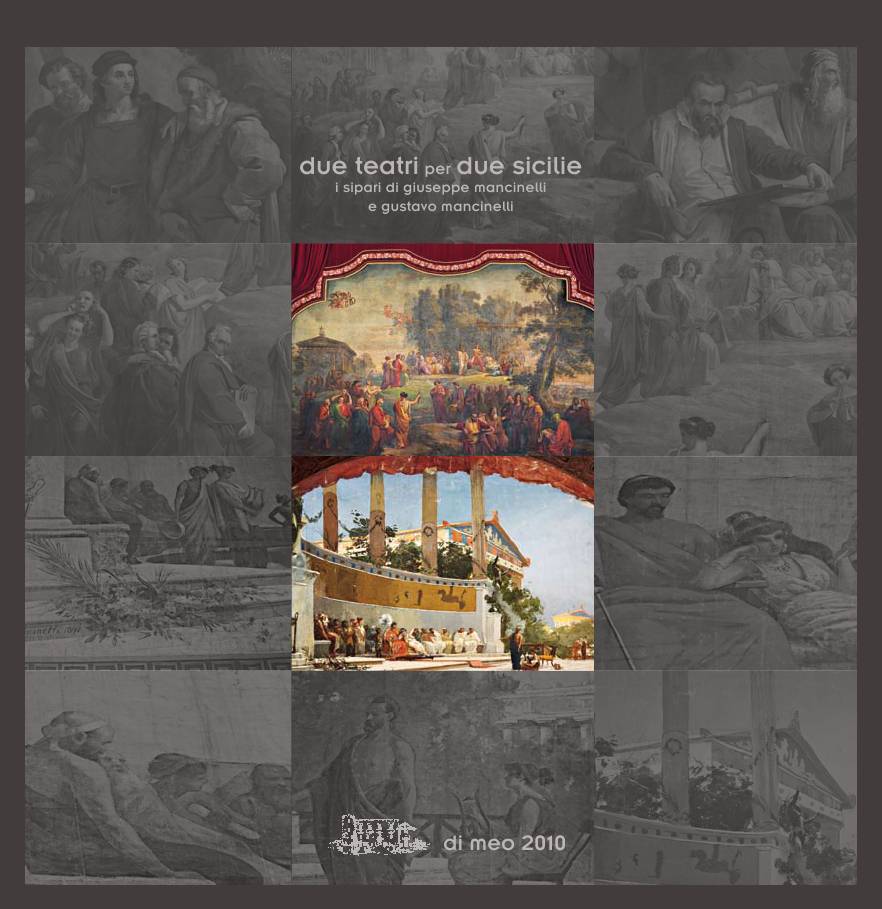
due teatri per due sicilie
i sipari di giuseppe e gustavo mancinelli
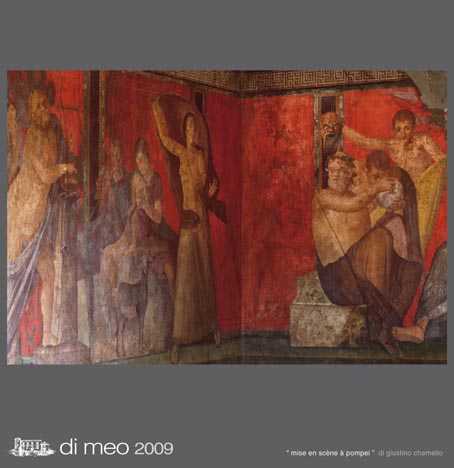
Mise en scene a Pompei
Giustino Chemello
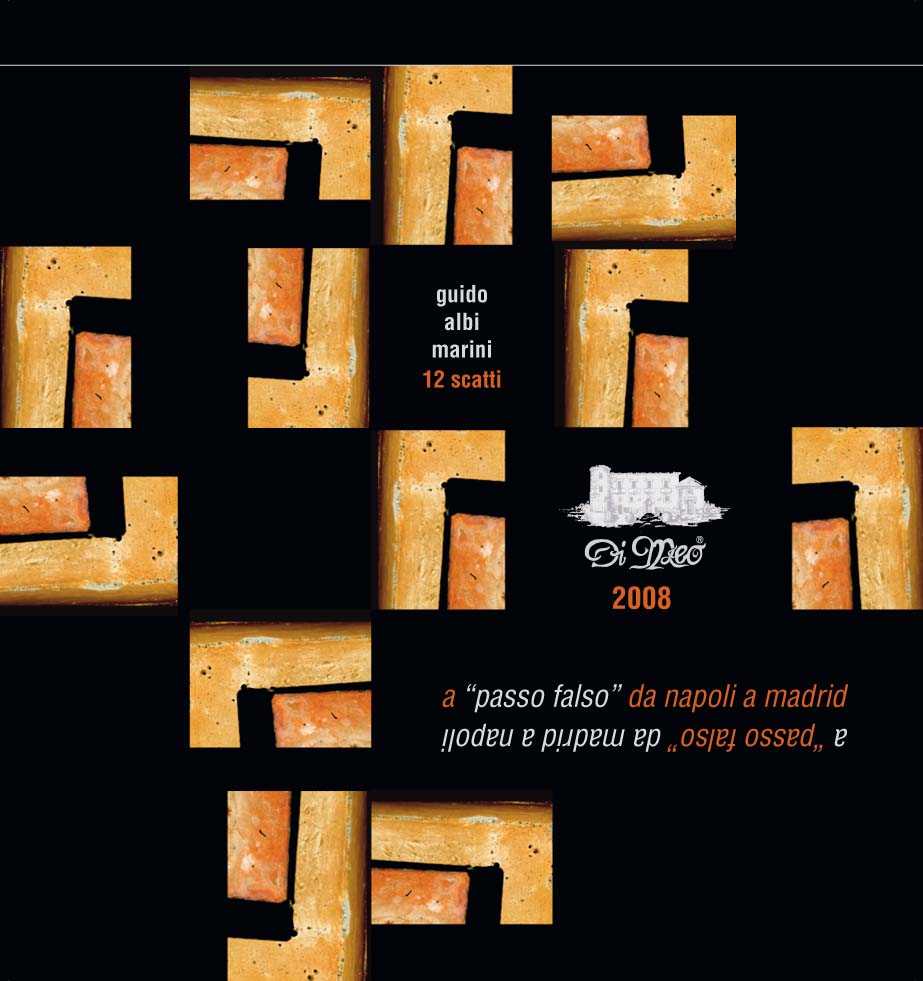
a "passo falso" da napoli a madrid
Guido Albi Marini

Di Meo a New York
Lello Esposito
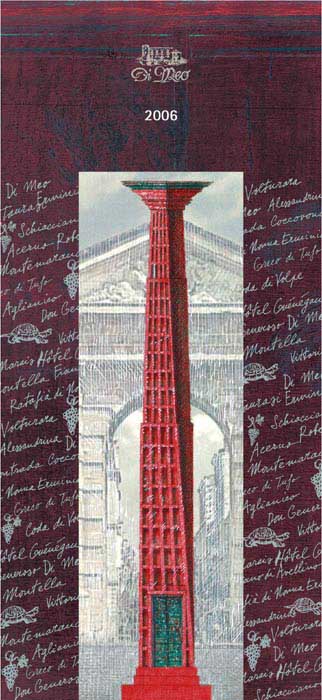
Di Meo a Bordeaux
Ivan Theimer
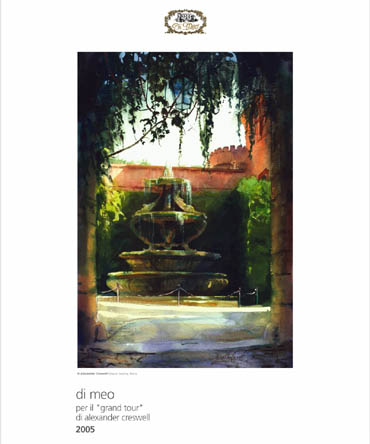
Di Meo
per il "grand tour"
di Alexander Creswell
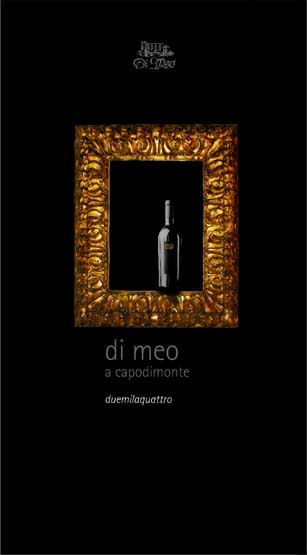
Di Meo a Capodimonte

Fotografi in cantina


